


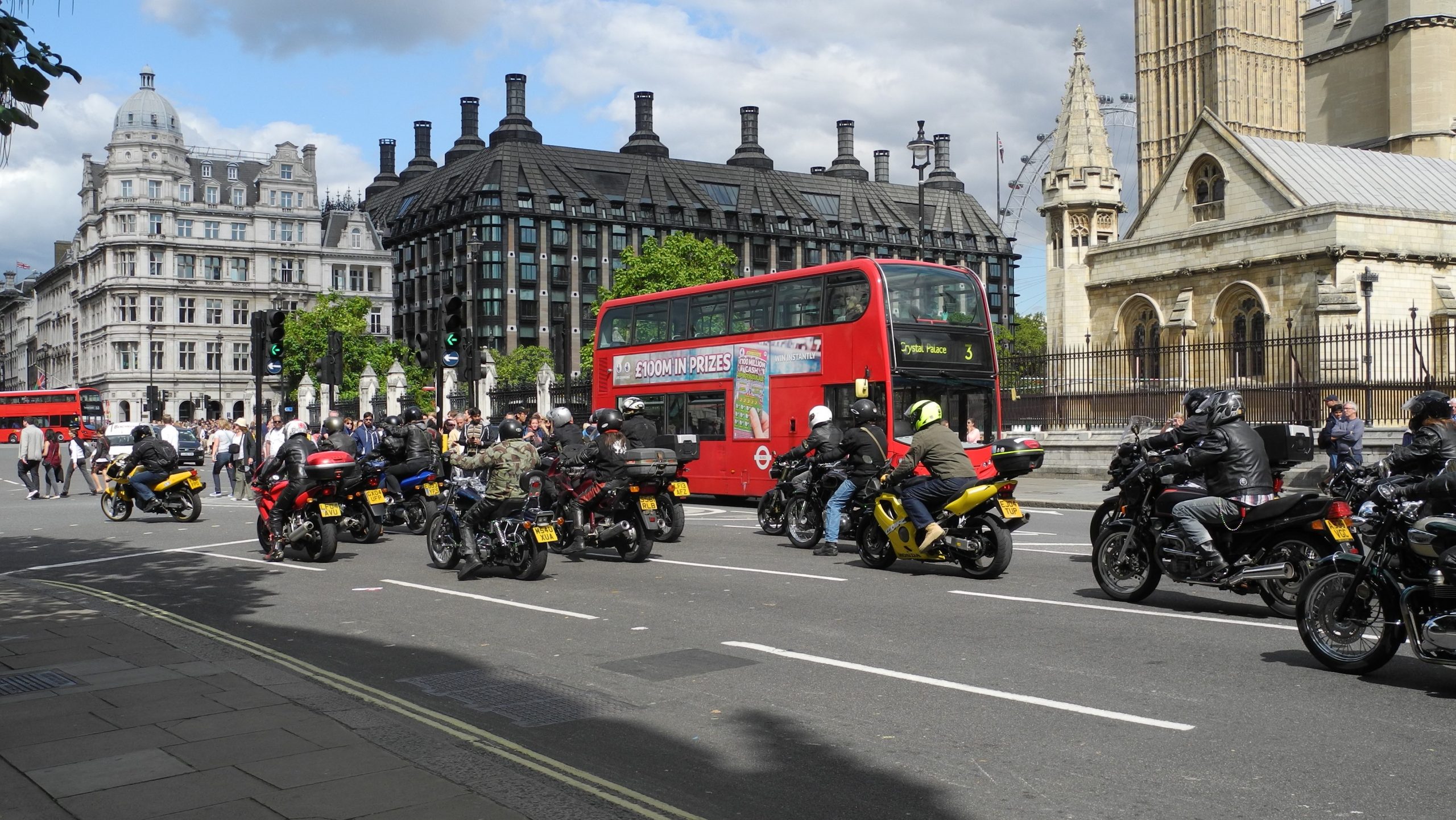
The UK motorcycling landscape is undergoing a period of significant change, shaped by new road safety strategies, training reforms, and evolving market trends. As motorcycling continues to play an important role in personal mobility and leisure riding, recent developments highlight both the challenges and opportunities facing riders, manufacturers, and policymakers across the country.
One of the major focus areas in the UK motorcycle scene is road safety. Government authorities have introduced and reinforced strategies aimed at reducing accidents involving two-wheelers. These initiatives include improved road infrastructure, better hazard awareness campaigns, and closer collaboration with rider groups to identify high-risk zones. Enhanced data analysis of accident-prone areas is also being used to guide road improvements, making routes safer for motorcyclists.
Alongside infrastructure changes, rider training and licensing reforms are gaining attention. Discussions around updating training modules emphasize real-world riding skills, hazard perception, and advanced riding techniques. There is growing support for expanding post-licence training programs, encouraging riders to continue skill development beyond basic certification. These reforms aim to improve rider confidence and reduce accident rates, especially among new and returning riders.
From a market perspective, the UK motorcycle industry is experiencing notable shifts in registration trends. While traditional internal combustion motorcycles remain popular, growth has slowed in certain segments due to economic pressures and changing consumer priorities. At the same time, demand for mid-capacity motorcycles and adventure-style bikes remains steady, reflecting a preference for versatile machines that suit commuting as well as leisure riding.
A key topic of debate within the UK motorcycling community is the adoption of electric motorcycles. While electric two-wheelers are gaining visibility, widespread adoption remains gradual. Concerns around charging infrastructure, real-world range, and upfront costs continue to influence buyer decisions. However, increased government incentives and manufacturer investments suggest that electric motorcycles will play a growing role in urban mobility over the coming years.
Regulatory changes are also shaping riding culture in the UK. Emission regulations, noise limits, and environmental policies are prompting manufacturers to adapt their product strategies. These regulations are encouraging innovation in engine technology, alternative fuels, and electrification, while also influencing how riders choose and use their motorcycles. As a result, the UK market is increasingly aligned with broader European sustainability goals.
Despite these changes, motorcycling culture in the UK remains strong. Riding communities, clubs, and events continue to thrive, providing platforms for skill-sharing, social connection, and advocacy. Enthusiast groups are actively engaging with policymakers to ensure that rider perspectives are considered in future regulations and safety initiatives.
Overall, the latest developments in the UK motorcycle scene reflect a period of transition. With a stronger emphasis on safety, evolving training standards, and a market adapting to new technologies, the industry is responding to both regulatory pressures and changing rider expectations. These trends mirror wider shifts across Europe, positioning the UK as an important contributor to the future direction of motorcycling.
